Agrawau is a term that may seem unfamiliar to many, but its significance lies deeply in its cultural, historical, and societal roots. Originating from the Agrawal community, it represents a unique identity tied to traditions, heritage, and modern economic practices. This article will explore the intricate details of Agrawau, its historical background, and its impact on society today. By diving deep into the cultural context, we can better appreciate why this term holds such importance for the people connected to it.
What is Agrawau?
At its core, Agrawau is believed to be an adaptation or variation of the term “Agrawal,” referring to a community in Northern India known for its deep involvement in trade and commerce. The term itself signifies more than just a community; it embodies a way of life that has been shaped by historical traditions, cultural practices, and economic contributions over time.
For centuries, the Agrawal community, from which derives, has been recognized for its ethical business practices and commitment to social welfare. While the meaning may evolve, it is grounded in the values of honesty, entrepreneurship, and community service that the Agrawal community has upheld throughout history.
Historical Background of Agrawau
It has roots dating back to ancient India, particularly in the kingdom of Agroha, located in what is now the state of Haryana. This kingdom, established by King Agrasen, is the legendary birthplace of the Agrawal community, whose values and traditions laid the foundation for it. Over centuries, as the Agrawal community expanded throughout India, so too did the influence, which evolved alongside the economic and social growth of the region.
The Agrawals played a significant role during India’s medieval period, becoming key figures in trade, commerce, and regional politics. The rise of the community during the Industrial Revolution and their global migration in the 19th and 20th centuries further solidified the economic presence of Agrawau. Even today, it continues to influence modern businesses, particularly in areas such as finance, retail, and technology.
Read more: make1m com
Key aspects of Agrawau for better understanding:
| Aspect | Description |
|---|---|
| Origin | Derived from the Agrawal community, historically tied to the kingdom of Agroha in Northern India. |
| Cultural Significance | Represents traditions, customs, and festivals, often linked to agricultural and spiritual practices. |
| Economic Contributions | Known for involvement in trade, finance, and commerce, contributing significantly to both regional and global economies. |
| Modern Influence | Continues to impact business and culture today, with adaptations in urban celebrations, education, and digital platforms. |
| Preservation Efforts | Communities are actively preserving Agrawau through festivals, workshops, and online platforms to maintain cultural identity. |
Cultural Significance of Agrawau
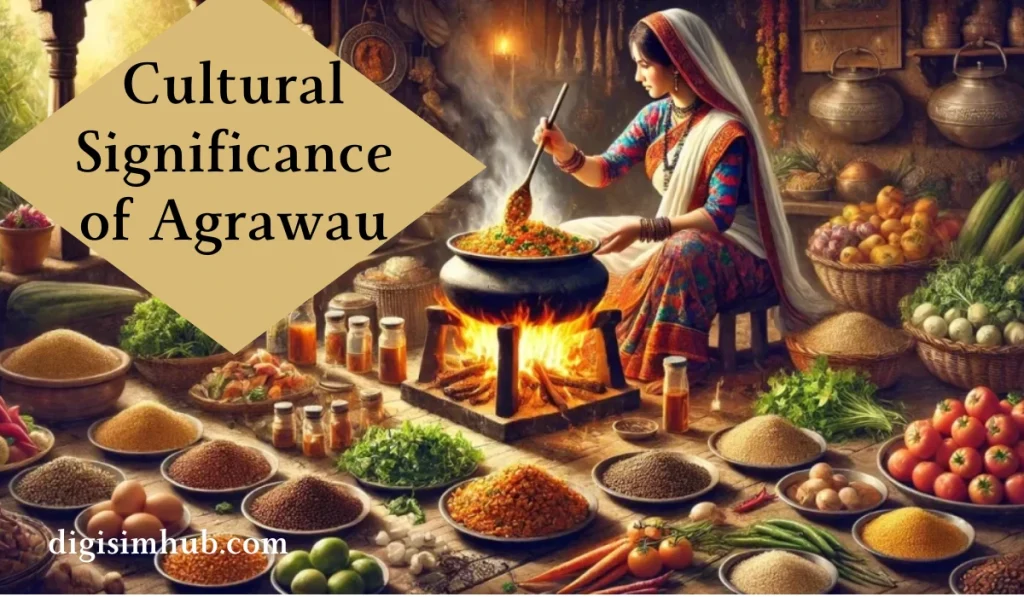
This is more than just a term; it represents a cultural identity that ties together the traditions, customs, and practices of the people it refers to. The identity is woven into the fabric of traditional Indian society, and its impact can be seen in festivals, rituals, and everyday social practices. One of the most visible cultural elements is the celebration of festivals that reflect the agricultural and communal roots of the Agrawal community.
Festivals like Diwali and Holi celebrated with grandeur and devotion, hold special significance within context. These festivals not only reinforce community bonds but also serve as opportunities for storytelling, where elders pass down the history and wisdom associated with Agrawau.
The role of spirituality within, this is also significant, with many customs integrating spiritual practices into daily life. The Agrawal community, known for its philanthropic efforts, frequently engages in activities that reflect its values. These efforts often include community-driven initiatives such as healthcare and education, which continue to strengthen the cultural importance of this.
Economic Impact of Agrawau
The Agrawau community has long been recognized for its contributions to the economy, both in historical and modern contexts. Traditionally involved in trade and agriculture, it has transitioned into various industries over time. During the colonial period, Agrawals established themselves as prominent figures in trade networks, both within India and internationally.
In the modern era, individuals have become leaders in industries such as finance, retail, and technology. The community’s focus on education, entrepreneurship, and philanthropy has allowed them to adapt to the rapidly changing economic landscape, contributing significantly to regional and global economies.
This adaptability, combined with a strong sense of community, continues to drive influence in the modern world. Today, many businesses that are linked to the Agrawal community maintain the core values associated, such as ethical business practices and social responsibility.
Modern Adaptations of Agrawau
As it has evolved, so too has how it is celebrated and practiced. In modern cities, its celebrations have taken on new forms, with urban festivals and workshops dedicated to preserving the traditions of the past. These events provide a platform for younger generations to engage with their heritage, and learn about the customs and values that define Agrawau.
Social media has also played a key role in the modern adaptation. Younger generations often share their experiences through online platforms, ensuring that these traditions remain relevant in the digital age. This blending of tradition with modernity reflects the adaptability of it as a living cultural practice.
Challenges and Misconceptions
Despite its rich history and cultural significance, it faces several challenges in today’s world. One common misconception is that this is merely a relic of the past, disconnected from the modern world. However, as we’ve explored, this is very much a part of today’s society, influencing everything from business practices to social customs.
Another challenge is the commercialization traditions. As cultural festivals gain popularity, some fear that the true meaning may become diluted. Efforts to preserve the authenticity of Agrawau are crucial to maintaining its cultural integrity.
Read also this: Dgmnews com
Preservation Efforts
Preserving this is essential to ensuring that future generations continue to appreciate its significance. Educational programs that focus on the history and values of are vital for fostering a sense of pride among younger community members. Workshops, festivals, and storytelling sessions all play a part in keeping these traditions alive.
Local organizations have also taken steps to promote the preservation through cultural exhibitions and public awareness campaigns. By collaborating with artists, educators, and community leaders, these organizations are working to ensure that Agrawau remains a vital part of the cultural landscape.
Frequently Asked Questions
What is the meaning of Agrawau?
It refers to a cultural and economic identity connected to the Agrawal community, known for its entrepreneurial and social contributions.
How did Agrawau originate?
It has its origins in the Agrawal community of Northern India, dating back to the ancient kingdom of Agroha.
Is Agrawau still relevant today?
Yes, it continues to influence modern business practices and social customs, adapting to the needs of contemporary society.
How can I learn more about it?
You can learn more about it by attending cultural events, reading historical accounts, or exploring online resources that focus on the Agrawal community.
Conclusion
Agrawau is a term that carries with it a wealth of history, culture, and economic influence. From its origins in ancient India to its modern-day applications, it has remained an integral part of the communities it represents. Through festivals, business practices, and cultural preservation efforts, it continues to thrive, ensuring that its legacy endures for generations to come.
By understanding Agrawau’s significance, we gain a deeper appreciation for the values that have shaped it over time.
The future of Agrawau lies in the hands of those who continue to celebrate, preserve, and adapt this rich cultural tradition to meet the challenges of the modern world.