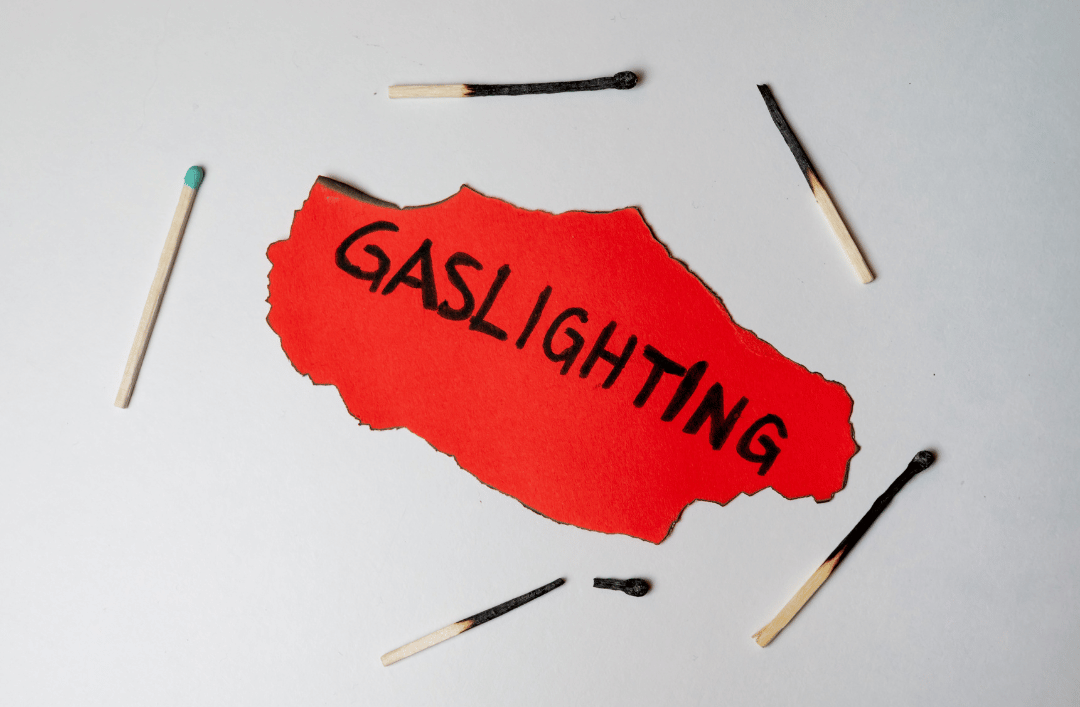
Gaslighting. A term often thrown around casually, but what does it truly entail? This insidious form of emotional abuse thrives in the shadows, leaving victims questioning their sanity and reality itself. Delving deeper, we’ll explore the history of the term, the manipulative tactics employed by gaslighters, the psychological impact on victims, and ultimately, how to navigate this emotional minefield. For more information, visit Zita Chriszto at Dubai Psychology.
From Stage to Reality: The Origins of Gaslighting
The term “gaslighting” finds its roots not in psychology textbooks, but in a chilling work of fiction. The 1938 play “Gas Light” (later adapted into a 1944 film), tells the story of Gregory, a husband who manipulates his wife Paula into questioning her sanity. He achieves this by dimming the gaslights in their home and denying it when she confronts him. His ultimate goal? To drive her mad and steal her inheritance. Gregory’s calculated actions gave a name to this disturbing phenomenon – gaslighting.
The Invisible Assault: How Gaslighting Works
Gaslighting rarely involves dimming lights in today’s world. It’s a far more subtle manipulation, often cloaked in seemingly harmless phrases. Gaslighters might say things like:
- “You’re overreacting.”
- “I never said that.”
- “You must be imagining things.”
- “You’re too sensitive.”
These seemingly innocuous statements have a cumulative impact, chipping away at the victim’s confidence and sense of reality. Over time, the victim begins to doubt their own memories, perceptions, and even sanity.
Unveiling the Darkness: The Psychology of Gaslighting
The motivations behind gaslighting delve into the murky depths of human behavior. Some experts posit that gaslighting stems from the gaslighter’s own insecurities and need for control. By undermining the victim’s reality, the gaslighter maintains a position of power and avoids confronting their own issues.
A 1981 study in The Psychoanalytic Quarterly theorized gaslighting as a form of projection. The gaslighter, struggling with internal anxieties, projects those feelings onto the victim. This allows them to manage their own distress by externalizing the problem.
More recent research emphasizes the power dynamic at play. By destabilizing the victim’s sense of reality, the gaslighter fosters a dependency. The victim, unsure of their own perceptions, relies on the gaslighter for validation. This dynamic reinforces the gaslighter’s control and diminishes the victim’s sense of self.
Lost in the Fog: Recognizing the Signs of Gaslighting
The hallmark of gaslighting is its subtlety. However, some red flags can serve as warning signs:
- Constant self-doubt: You frequently question your own memories and perceptions.
- Feeling crazy or confused: You feel like you’re constantly walking on eggshells, unsure of what’s real.
- Excessive apologizing: You find yourself apologizing for perceived mistakes, even when you haven’t done anything wrong.
- Defending the gaslighter: You feel compelled to defend the gaslighter’s behavior to others, despite your own doubts.
- Isolation: The gaslighter may have subtly isolated you from friends and family, creating a dependence on them.
These signs, often escalating over time, can lead to significant mental health issues.
The Aftermath: The Devastating Impact of Gaslighting
The long-term effects of gaslighting can be devastating. Victims may experience chronic anxiety, depression, and a pervasive sense of helplessness. The constant erosion of self-trust can make it difficult to form healthy relationships and navigate the world with confidence. In extreme cases, gaslighting can lead to a complete breakdown.
You May Also Read: Genetic Factors Behind Alopecia
Breaking Free: How to Respond to Gaslighting
Recovering from gaslighting requires a proactive approach. Here are some steps you can take:
- Validate Your Feelings: Acknowledge that your feelings and perceptions are valid. Trust your gut instinct.
- Seek Support: Talk to a trusted friend, family member, or therapist. Gaining an external perspective can help you reclaim your reality.
- Document Interactions: Keeping a journal of interactions with the gaslighter can be helpful in identifying patterns and validating your experiences.
- Set Boundaries: Establish clear boundaries with the gaslighter. Limit contact if necessary to protect your mental health.
- Professional Help: Therapy can be instrumental in recovering from gaslighting. A therapist can help you rebuild your self-esteem and trust in your own perceptions.
Remember, You Are Not Alone
Gaslighting is a serious form of emotional abuse. By understanding its tactics and recognizing the signs, you can empower yourself to seek help and reclaim your sense of self. Healing from gaslighting takes time and support, but with courage and perseverance, you can move forward and build a life free from manipulation. Remember, you are not alone. There are resources available to help you navigate this challenging experience. If you are being gaslighted, know that there is hope, and you deserve to be in a healthy and supportive environment.