
The Role of Cybersecurity Planning in Protecting Customer Data
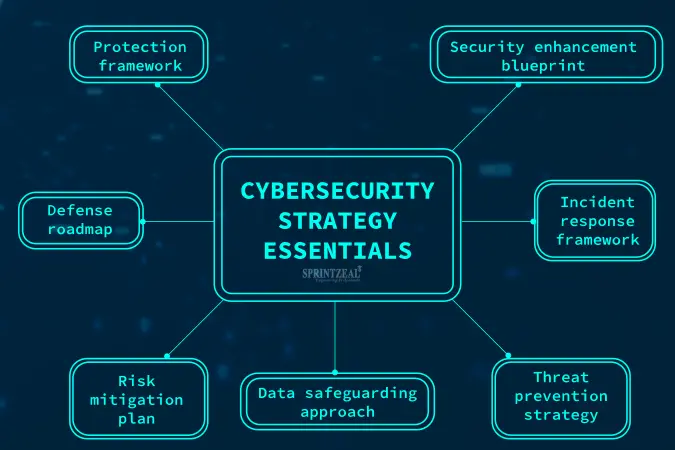
In today’s fast-paced digital landscape, customer data has become one of the most important assets a company can have. As businesses turn more to online platforms for customer engagement and transactions, protecting sensitive information is more critical than ever. A well-thought-out cybersecurity plan is key to safeguarding this data and maintaining the trust your brand has earned. With the increasing rise of data breaches and cyber threats, cybersecurity is no longer just a good idea—it’s a must. In this article, we’ll dive into how a comprehensive approach to cybersecurity can not only protect customer data but also strengthen your business’s reputation for trustworthiness.
Understanding Cybersecurity Planning
Cybersecurity planning isn’t just about installing antivirus software. It’s about taking proactive, strategic steps to shield your digital assets from ever-evolving cyber threats. A solid plan will identify vulnerabilities, put security measures in place, and prepare your team for potential incidents. This includes regular risk assessments, setting up a detailed security policy, educating employees, and integrating advanced technological tools.
The Rising Threat of Data Breaches Data breaches have unfortunately become more common, affecting businesses of all sizes and industries. The fallout from a breach can be disastrous—financial losses, legal consequences, and most importantly, damage to your reputation and customer trust. As hackers get smarter, the risk increases, making a strong cybersecurity plan essential. Staying informed about the latest threats can help businesses prepare and defend their data more effectively.
How Cybersecurity Planning Protects Customer Data The heart of cybersecurity planning is keeping customer information safe from unauthorized access or theft. Here are some ways a well-structured plan can safeguard that data:
- Implementing Strong Access Controls Controlling who has access to sensitive data is a crucial first step. By establishing strict authentication protocols—like multi-factor authentication (MFA) and role-based access controls (RBAC)—you can ensure that only those who truly need access to customer data can get it. This significantly reduces the risk of both internal and external threats.
- Regular Security Audits and Assessments A good cybersecurity plan involves consistent reviews of your current security practices. Regular audits help identify weaknesses and gauge the effectiveness of your security measures. This proactive stance allows you to stay ahead of emerging threats and adapt your strategies as needed.
- Data Encryption Encryption is a key part of any cybersecurity plan. By converting sensitive data into an unreadable format, you make it nearly impossible for unauthorized users to access it—even if they manage to breach your system. This extra layer of security ensures customer data stays protected, even in worst-case scenarios.
Maintaining Trust in Your Brand Your customers trust you with their personal information, and that trust is vital to the long-term success of your business. When your customers know you take their data security seriously, it strengthens their relationship with your brand.
- Demonstrating a Commitment to Security Customers are more likely to trust businesses that make cybersecurity a priority. By openly communicating the measures you’ve put in place, you can reassure customers that their information is in good hands. This kind of transparency goes a long way in building lasting trust and confidence.
- Minimizing the Impact of Data Breaches No company is entirely immune to cyber threats. However, having a robust cybersecurity plan can minimize the damage in the event of a breach. A quick response with an incident plan already in place helps limit the impact and rebuild customer trust.
Fostering a Cybersecurity Culture Cybersecurity is not just about the technology you use—it’s about creating a culture within your organization where everyone takes data protection seriously.
- Employee Training and Awareness Programs Your employees are your first line of defense. Implementing comprehensive training programs ensures they understand the importance of cybersecurity and how to recognize potential threats. A culture of vigilance can significantly reduce the likelihood of a breach due to human error.
- Instilling a Security-First Mindset Cybersecurity needs to be at the core of every business decision, whether it’s product development or customer interactions. By fostering a mindset that prioritizes security, your business is better positioned to protect customer data and maintain your brand’s strong reputation.
Leveraging Technology in Cybersecurity Planning Technology is a powerful ally in the fight against cyber threats. Advanced tools like artificial intelligence (AI) and machine learning (ML) are transforming the way businesses detect and prevent attacks.
- AI and Machine Learning for Threat Detection AI and ML can help identify potential threats by analyzing massive amounts of data for unusual patterns. This allows for early detection of suspicious activity, giving your team the time to act before a breach occurs.
- Advanced Threat Protection Solutions Solutions like intrusion detection systems (IDS) and intrusion prevention systems (IPS) monitor your network for malicious activity and can automatically block potential threats. These advanced tools play a crucial role in protecting customer data and maintaining trust in your brand.
Conclusion In an era where cyber threats are on the rise, having a robust cybersecurity plan is essential to protecting customer data and upholding your brand’s reputation. By implementing strong access controls, conducting regular security audits, encrypting data, and fostering a culture of cybersecurity, your business can effectively safeguard customer information. Embracing advanced technologies can further strengthen your defenses, ensuring that trust in your brand remains strong for years to come.