
Coffee Tables: How to Choose the Right Size and Style
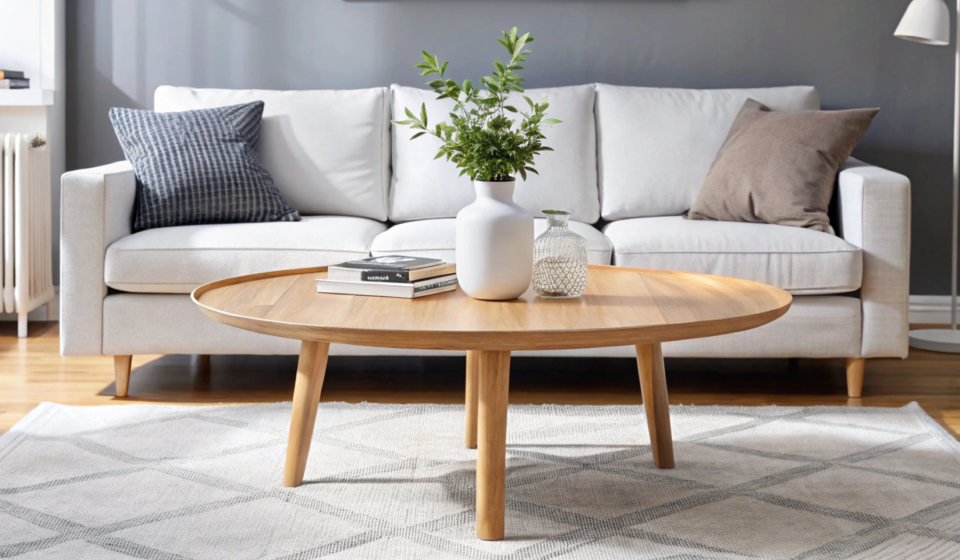
A coffee table can bring the seating area together while providing a practical surface for drinks, books, decor and everyday essentials. Choosing the right design means considering how the table will fit and function within the room. Size, height, shape and material can all influence how well it works with your existing furniture. If you’re comparing coffee tables in Perth, consider your sofa, available floor space and overall interior style before making a decision.
How to Choose the Right Coffee Table Size
The right dimensions can make a living room feel balanced rather than crowded. Start by looking at the furniture already in the room and the amount of space available around it.
Match the Coffee Table to Your Sofa
A coffee table should generally be shorter than the sofa, allowing the seating arrangement to look proportionate. For a large three-seater or corner lounge, a longer rectangular table can provide a suitable visual balance. Smaller sofas may work better with compact square, round or oval designs.
Consider the Ideal Coffee Table Height
The height of the table matters when reaching for drinks, using a laptop or placing decorative pieces on top. A coffee table that sits around the same height as the sofa seat or slightly lower is often a practical choice. Very low tables can suit relaxed interiors, while taller options may be useful in more formal settings.
Leave Enough Space for Easy Movement
A table should not make it difficult to move between the sofa and other parts of the room. Leaving around 40–45 cm between the edge of the sofa and coffee table generally provides a comfortable passage while keeping the table close enough to reach.
Choose the Right Size for Your Living Room
Room dimensions should guide the size of the table. A large table can overwhelm a compact living area, while a tiny design may look lost in a spacious room. Measure the available floor area beforehand and consider how the table will fit alongside the sofa and other furniture without restricting movement.
Consider the Coffee Table’s Proportion and Scale
Think about the size of the table in relation to nearby furniture, such as the sofa, armchairs and entertainment unit. A substantial lounge often needs a table with enough visual weight to hold the arrangement together, whereas lighter furniture can pair well with a smaller design.
Choose a Coffee Table Shape That Complements Your Layout
Shape can influence both the appearance and functionality of a living room. The best option depends on the furniture arrangement and how people move through the space.
Rectangular Coffee Tables for Traditional Sofa Arrangements
Rectangular tables are a popular choice for straight sofas and larger seating arrangements. Their elongated surface provides room for serving items, books and decor while working well with longer sofas.
Round Coffee Tables for Better Flow
Round tables remove sharp corners and can make movement around the seating area easier. They are particularly useful where several chairs or sofas face towards a central point.
Oval Coffee Tables for a Softer Look
Oval designs offer the length of a rectangular table with curved edges. This makes them suitable for larger seating areas where a long surface is useful, but a softer outline is preferred.
Nesting Coffee Tables for Flexible Living Spaces
Nesting tables provide flexibility without requiring a large permanent footprint. Smaller tables can be separated when extra surfaces are needed and tucked together when the room needs more open floor space.
Explore Coffee Table Styles for Different Interiors
Once the dimensions and shape have been established, consider the style and materials that suit the rest of the room. This is especially useful when coordinating a table with a modular sofa, as modular seating can have a strong presence within the living area.
- Contemporary Coffee Tables: Contemporary tables often feature clean lines, simple silhouettes and practical finishes. Glass, metal, engineered timber and streamlined stone designs can work well in modern interiors without making the room feel overly busy.
- Timber Coffee Tables for Natural Character: Timber coffee tables can introduce texture and a natural character to the living room. Different timber tones can suit coastal, contemporary and classic interiors, making this material a versatile choice for many homes.
- Marble Coffee Tables for a Refined Look: Marble provides a polished appearance and can become a strong feature within the seating area. White, grey and darker marble finishes can be paired with neutral sofas or used to contrast with deeper upholstery tones.
- Mixed-Material Coffee Tables for Added Contrast: Combining materials such as timber and metal, glass and timber, or stone and metal can give the table a more distinctive appearance. Mixed-material designs work particularly well when the room already contains different finishes that need to feel connected.
Final Thoughts
Choosing a coffee table becomes much easier when size, shape and style are considered together. Measure the room, assess the sofa dimensions, allow enough space for movement and select a material that suits everyday use. A well-chosen table should look appropriate within the room while also providing a useful surface for daily living.
Frequently Asked Questions
How big should a coffee table be compared with a sofa?
A coffee table is generally best when it is around two-thirds the length of the sofa. The exact size can vary depending on the room layout, seating configuration and available walking space.
How much space should be left between a sofa and coffee table?
Around 40–45 cm is a useful starting point. This distance allows people to move through the room while keeping the table within easy reach from the sofa.
Should a coffee table be higher or lower than the sofa?
A coffee table is usually most practical when it is the same height as the sofa seat or slightly lower. This makes it easier to reach drinks, books and other items while seated.
What coffee table shape is best for a small living room?
Round or oval coffee tables can work well in smaller rooms because their curved edges make movement around the furniture easier. Nesting tables are another practical option when flexibility is important.
What coffee table material is easiest to maintain?
Timber and engineered wood coffee tables are easy to care for, requiring regular dusting and a simple wipe to remove everyday spills or marks. For a modern look, glass is also easy to clean, while marble offers a refined finish but needs more careful maintenance to avoid staining.