
Essential Steps for Transitioning to Your Summer Home
Transitioning to your summer home is an exciting opportunity to enjoy warmer weather, scenic views, and a relaxing lifestyle. However, the process of moving between homes can feel overwhelming, especially if you’re managing a long-distance transition.
This guide will walk you through the essential steps to make the move as seamless and stress-free as possible, while highlighting important considerations such as enclosed auto shipping to ensure your vehicle arrives safely.
Plan Your Move in Advance
The first and most important step when transitioning to your summer home is planning ahead. Whether you’re relocating for a few months or the entire season, preparation is key to reducing stress. Here’s how to approach this:
- Create a timeline: Determine the date you plan to leave and work backward to schedule important tasks.
- Assess your summer home: Make sure your summer home is ready by checking utilities, cleaning, and organizing the space before your arrival.
- Set a moving budget: Factor in costs like packing materials, transportation, and services such as enclosed auto shipping if you’re transporting a vehicle.
Prepare Your Summer Home for Your Arrival
Before leaving your primary residence, it’s a good idea to prepare your summer home to ensure it’s in top condition for your arrival. This step will make your transition smoother and help you settle in faster.
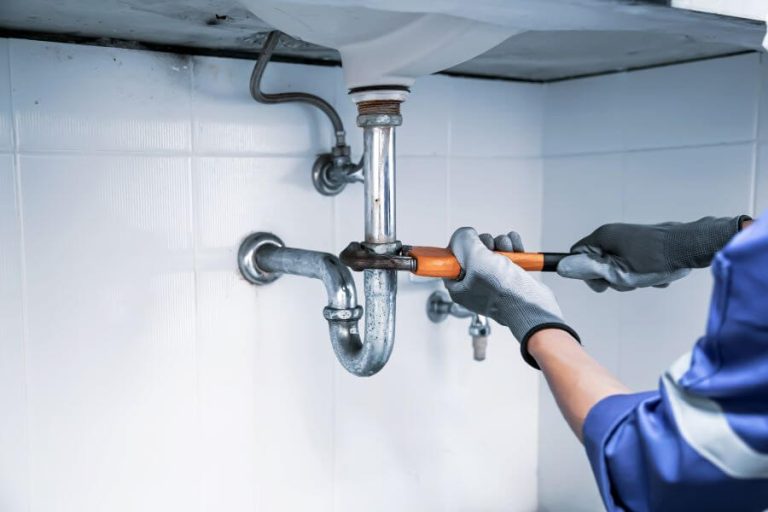
- Check the utilities: Ensure water, electricity, and other essential services are active and functioning properly.
- Clean and inspect the property: If the house has been vacant for a while, schedule a cleaning service or visit in advance to freshen up the space.
- Stock up on essentials: Basic supplies like toiletries, non-perishable foods, and cleaning products should be ready to avoid immediate grocery runs.
Pack Strategically for the Season
Packing for your summer home differs from a regular move. Since you’ll only need seasonal items, it’s important to pack light but efficiently. Consider these packing tips:
- Focus on seasonal clothing: Pack light, breathable fabrics suitable for warmer weather. Don’t forget swimwear, sandals, and hats.
- Pack outdoor gear: If your summer home is near the beach, mountains, or lake, pack gear such as bikes, fishing equipment, or water sports accessories.
- Leave duplicates at the summer home: To reduce hassle, leave essentials like bedding, cooking utensils, and toiletries in your summer home year-round.
- Use labeling systems: Clearly label your boxes by room or category to streamline the unpacking process.
Image Credit Goes to AutoStar Transport Express

Consider Enclosed Auto Shipping for Your Vehicle
If your summer home is far away, you may need to transport your vehicle. Rather than driving long distances, many homeowners choose enclosed auto shipping to protect their vehicle during transport. This service ensures that your car is transported in an enclosed truck, shielding it from weather, road debris, and other hazards.
- Why enclosed auto shipping? It provides superior protection compared to open shipping, making it ideal for luxury, classic, or high-value cars.
- Cost considerations: While enclosed auto shipping can be slightly more expensive, the added peace of mind and vehicle safety often outweigh the cost difference.
- Scheduling the service: Book your enclosed auto shipping well in advance of your move to ensure timely pickup and delivery.
When considering enclosed auto shipping for your vehicle, it’s essential to research and compare various auto transport companies. Look for customer reviews and testimonials to gauge their reliability and quality of service. Websites like Vehicle Transport Reviews and the Better Business Bureau can provide valuable insights into each company’s reputation.
Pay attention to factors such as pricing, customer support, and the level of protection offered during transit. Choosing a reputable company ensures your vehicle will be handled with care, giving you peace of mind as you transition to your summer home.
Secure Your Primary Home Before Leaving
As you prepare to leave for your summer home, don’t forget to secure your primary residence to prevent potential issues while you’re away. This step is crucial for long-term peace of mind.
- Lock all doors and windows: Make sure your home is fully secured to prevent break-ins.
- Set up home security systems: Install cameras or smart home devices to monitor your property remotely.
- Hire a house sitter: If you’ll be gone for an extended period, consider hiring a house sitter to check on the property periodically.
- Forward your mail: Use the USPS mail forwarding service to receive your mail at your summer home.
Make Travel Arrangements Early
For those flying to their summer home, it’s important to make travel arrangements early to avoid last-minute complications. Here’s what to keep in mind:
- Book flights and accommodations: Ensure your travel dates align with the timing of your move.
- Arrange for transportation: If you’re shipping your car through enclosed auto shipping, consider renting a vehicle until your car arrives.
- Prepare for pet travel: If you’re bringing pets, ensure they have updated vaccinations and make travel arrangements that are pet-friendly.
Settle In and Personalize Your Summer Home
Once you arrive, take time to settle in and make your summer home feel like a true retreat. This is a chance to create a comfortable and inviting atmosphere that you and your family will enjoy throughout the season.
- Decorate with personal touches: Bring family photos, cozy blankets, and a few of your favorite home accessories to make the space your own.
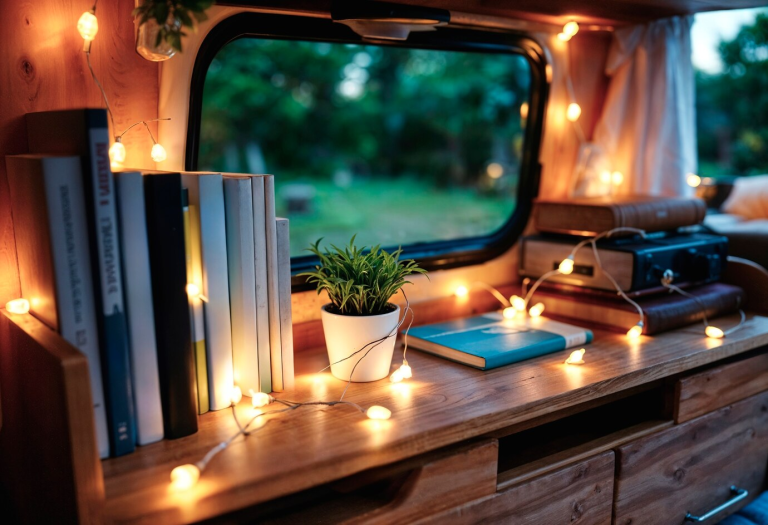
- Set up outdoor spaces: Create inviting outdoor areas for relaxing or entertaining by adding comfortable furniture, string lights, and plants.
- Establish a routine: Create a daily routine that fits with your summer lifestyle, whether it’s morning walks on the beach or evening barbecues with friends.
Get Involved in the Local Community
Part of the joy of having a summer home is the opportunity to explore and get involved in a new community. Engaging with local events and activities will enhance your summer experience.
- Attend local events: Check out farmers’ markets, festivals, and neighborhood gatherings to meet locals and enjoy the area’s offerings.
- Join clubs or social groups: Whether it’s a book club, yoga class, or outdoor adventure group, there are plenty of ways to connect with others in the community.
- Support local businesses: Frequent nearby shops and restaurants to get a taste of the local culture and cuisine.
Prepare for the Return to Your Primary Home
As the season comes to an end, it’s important to start planning for your return to your primary residence. Taking time to prepare in advance will make this process easier and less stressful.
- Schedule enclosed auto shipping for your vehicle: If you used enclosed auto shipping to transport your car, make sure to schedule the return trip with ample time.
- Clean and organize your summer home: Before leaving, tidy up the space so it’s ready for your next visit. This includes cleaning, doing laundry, and taking out the trash.
- Turn off utilities if needed: Depending on your usage plan, you may want to temporarily shut off water, electricity, or other services.
- Secure the property: Similar to your primary home, lock windows and doors and activate any security systems.
Conclusion
Transitioning to your summer home can be a smooth and enjoyable process with the right preparation and planning. From using enclosed auto shipping for your vehicle to preparing your homes and settling into your new routine, these steps will help you make the most of your summer experience. Taking the time to plan ahead will ensure a stress-free move, allowing you to relax and enjoy your seasonal retreat.